

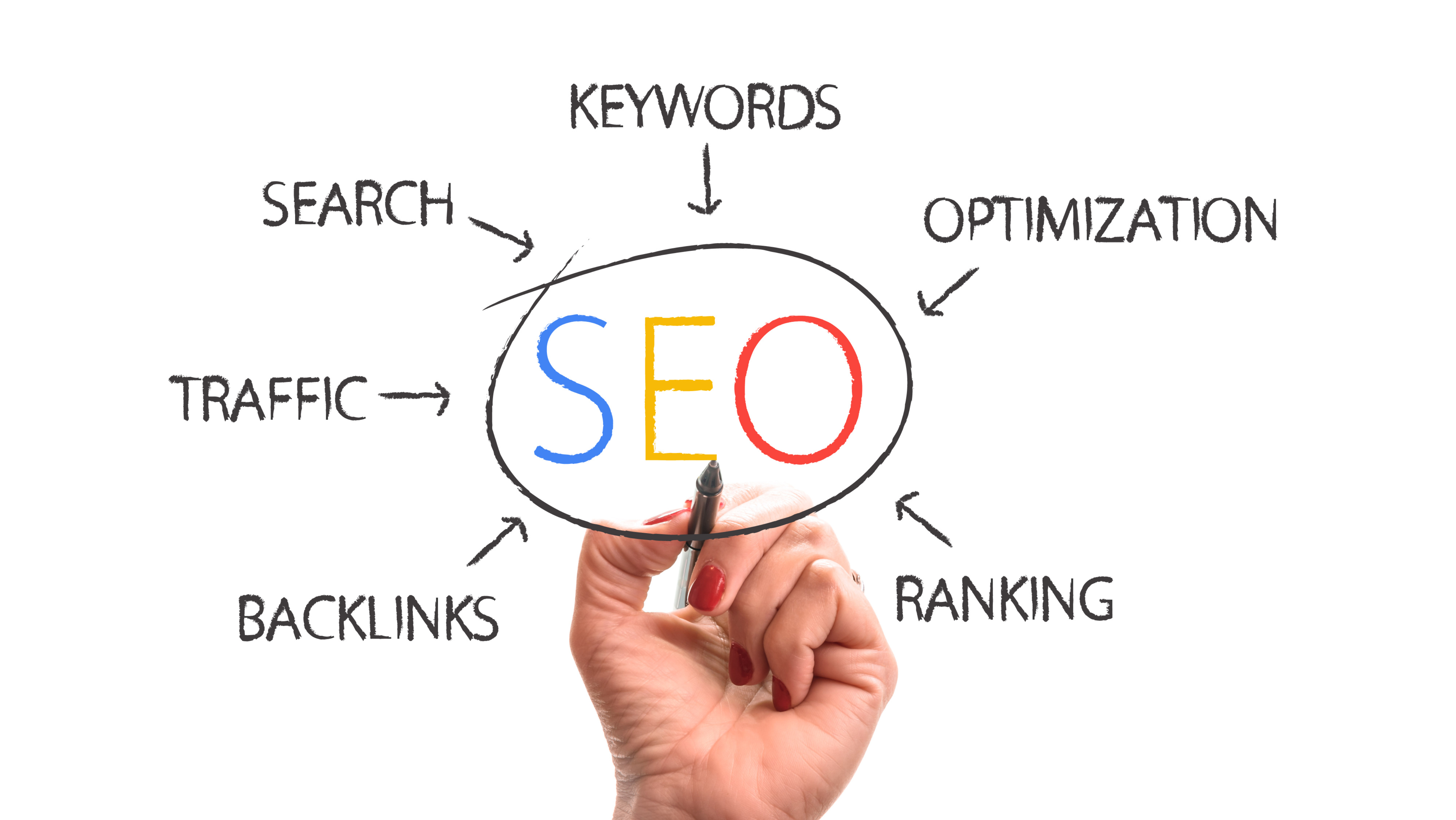
Short Overview of SEO
SEO, or search engine optimization, is the process of enhancing your website to achieve higher rankings on search engine results pages (SERPs). By optimizing your site’s content and technical aspects, you enable search engines like Google to crawl, index, and comprehend your content more effectively. This leads to increased visibility and higher organic search traffic, essential for capturing potential customers’ attention and leading them through your buying process.
How SEO Works
SEO combines both **quality** and **quantity** to provide the most relevant, high-quality results to searchers. This involves several key elements:
Keyword Analysis
Understanding the keywords your audience uses is fundamental. Keywords vary in difficulty and search volume. Long-tail keywords, specific phrases with lower competition, often provide better opportunities for ranking. For instance, targeting “biotech startup” instead of the broad “biotech” can be more effective due to its moderate competition and decent search volume.
Backlink Building
Backlinks from reputable sites signal authority to search engines. Instead of buying backlinks (a black hat SEO tactic), focus on creating valuable content that naturally attracts links and building strategic partnerships.
Content Creation
Content is the heartbeat of SEO. High-quality, helpful content across blogs, webpages, videos, and more helps search engines rank your site. Ensure your content directly answers audience questions and uses relevant keywords strategically.
Technical Maintenance
Technical SEO involves optimizing your site’s architecture, speed, mobile compatibility, URL structures, metadata, and more. A solid technical foundation allows search engines to crawl and index your site efficiently, enhancing your overall SEO efforts.
AI and SEO
Artificial Intelligence (AI) is transforming SEO. Tools like ChatGPT can help analyze keywords, brainstorm long-tail keywords, and generate content ideas. While AI can aid in creating authoritative content, it cannot replace the human elements of experience and trustworthiness essential for building credibility. Google’s E-E-A-T (Experience, Expertise, Authoritativeness, Trustworthiness) guidelines emphasize the importance of these human aspects.
The Role of SEO in Digital Marketing
SEO is a cornerstone of digital marketing. It can seem daunting, but its importance is undeniable. A data-driven, ethical approach to SEO yields long-term growth. Avoid black hat tactics like keyword stuffing, which can lead to penalties. Instead, focus on sustainable, white hat strategies that enhance your site’s value and user experience.
Should I Have an SEO Strategy?
Absolutely. An intentional SEO strategy increases your digital marketing’s effectiveness and visibility. It requires deliberate analysis and adapts to evolving technology. SEO drives traffic, promotes your brand, engages customers, and improves user experience. It’s a vital component of successful digital marketing.
How SEO Can Boost Your Business
Build Trust With Your Customers
High organic search rankings signal authority and relevance, earning trust from users. According to Search Engine Journal, Google is a trusted digital resource, and appearing on page one transfers that trust to your brand, increasing clicks and conversions.
Improve User Experience
SEO and user experience (UX) go hand in hand. Elements like site speed, mobile optimization, and intuitive navigation not only enhance UX but also improve SEO rankings. A seamless, fast, and user-friendly site retains visitors and boosts engagement.
Increase Lead Generation
SEO attracts pre-qualified, interested leads searching for your products or services. Optimizing for relevant keywords brings quality leads likely to convert. Local SEO also captures leads from specific geographic queries, increasing your reach within targeted areas.
Knowing the Difference Between Paid and Organic Searches
Paid Search
Paid search involves using advertising dollars for higher SERP placement. Pay-per-click (PPC) advertising, where you bid on keywords and pay per click, is a common strategy. Other models include CPM (cost per mille) and call-only ads. Paid search is excellent for immediate traffic and testing demand.
Organic Search
Organic search ranks content based on SEO best practices without direct ad spend. It takes time but builds long-term visibility through content, backlinks, and technical optimization. Both paid and organic searches are essential for a balanced digital marketing strategy, with PPC complementing organic efforts by driving quick traffic.
contact us
Contact Us Today for Your SEO Digital Marketing Needs you can on whatsapp and viber on 9842568421 and mail us at vardacreatives@gmail.com or reach us through instagram: @vardacreatives_.